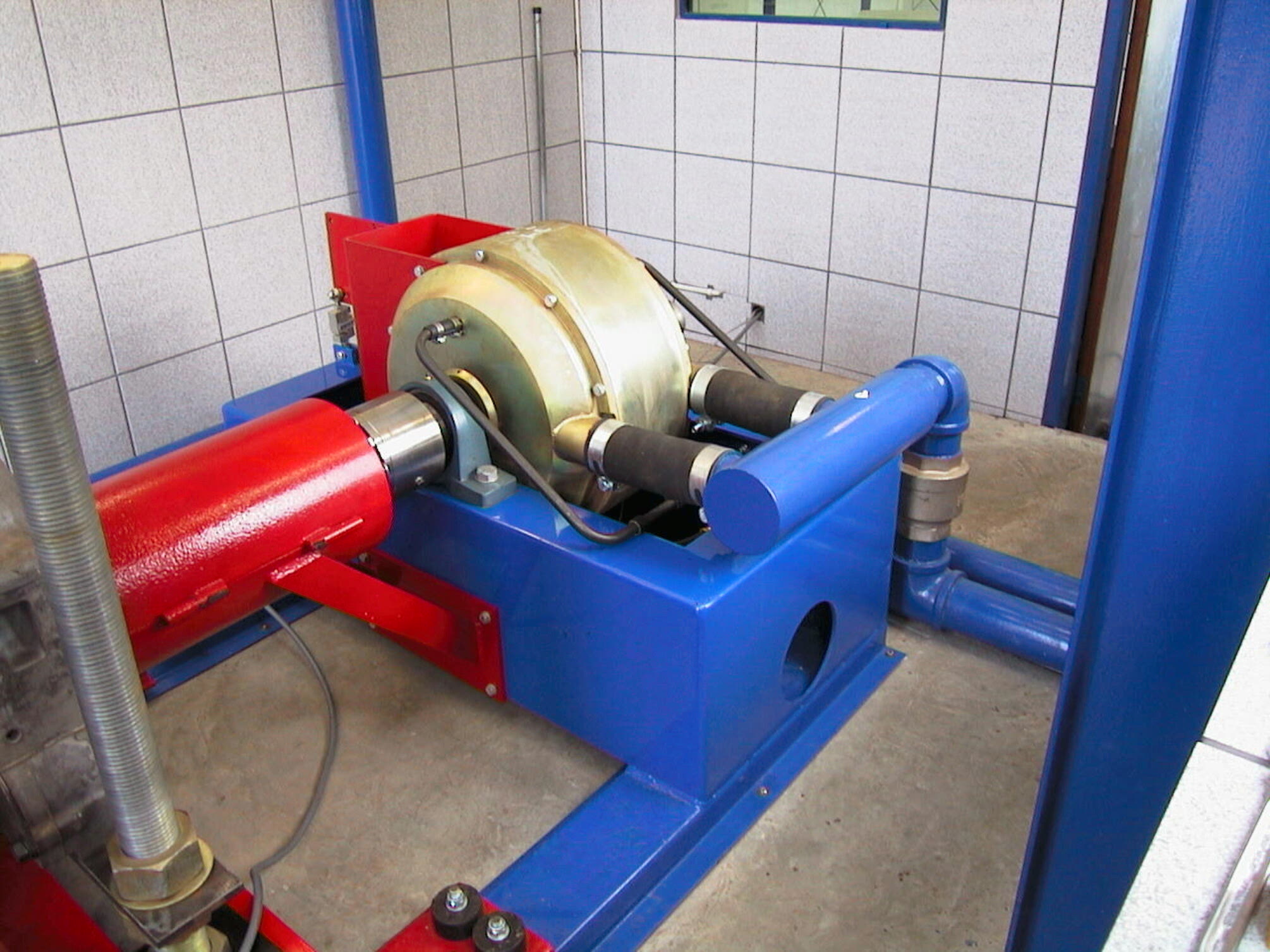
Most operators skip the monthly hub dyno checklist—and their equipment pays the price. Bearings fail silently, seals degrade invisibly, and fluid systems collapse without warning. Yet a simple routine separates those with predictable uptime from those drowning in repair bills. The difference lies in understanding which components demand attention and when. Learn the procedures that separate amateur maintenance from professional reliability.
Monthly Dynamometer Maintenance: Bearings, Seals, and Fluids
Because dynamometer systems operate under demanding conditions with high rotational speeds and significant mechanical stress, regular maintenance of bearings, seals, and fluids forms the foundation of reliable equipment performance.
Bearing Performance Checks
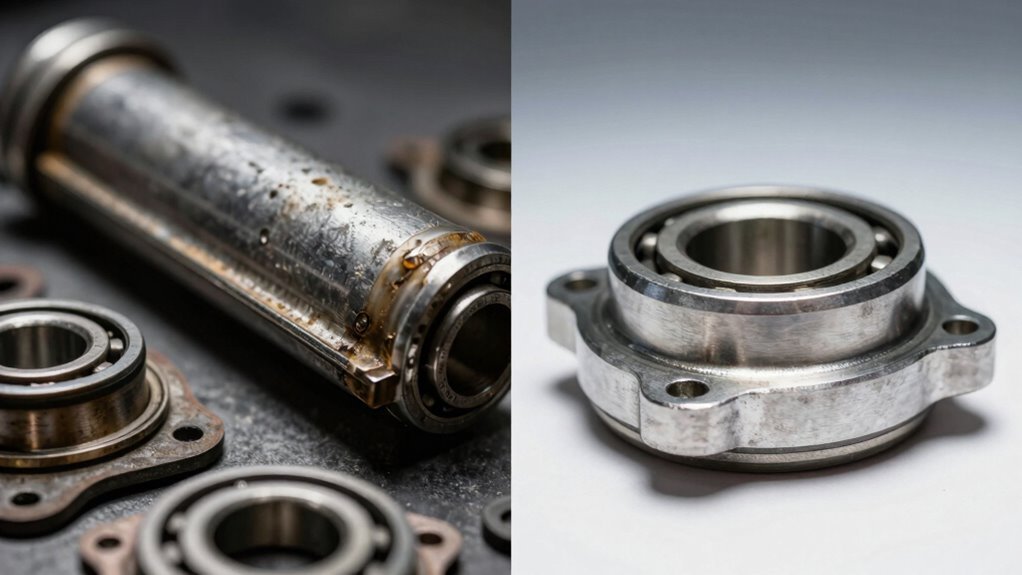
Monthly inspections should verify that roll bearings show no visible tracks or broken seals.
Trunnion pillow block bearing bolts require re-torquing to 100-110 ft-lb using manufacturer-recommended lubricant on a regular schedule.
Every 800 hours or 12 months, operators must perform thorough trunnion bearing inspections to guarantee peak bearing performance. Structured preventive maintenance schedules ensure that bearing wear is detected early before catastrophic failure occurs. Our comprehensive installation and ongoing support services help operators maintain optimal bearing conditions throughout the equipment’s lifespan.
Seal Integrity Verification
Seal integrity demands attention during monthly checks for any broken seals on roll bearings.
Driveshaft coupling fasteners need tightening every 100 hours, while packing glands require adjustment to maintain 3 drops per second every 200 hours.
Fluid Management
Apply 1/2 oz of 615 Valvoline red grease to junction box terminals monthly, and change oil in oilers every 800 hours or annually.
Your Complete Maintenance Schedule: 100, 300, and 600 Hours
Hyper Power dynamometers operate on a tiered maintenance philosophy, with essential tasks scheduled at 100-hour intervals, critical services due every 300 hours, and major overhauls required at 600-hour milestones.
Each interval addresses specific components—from bearing lubrication and seal inspection at the 100-hour mark, to driveshaft universal joints and load cell maintenance at 300 hours, through to trunnion bearing service and coupling verification at 600 hours. Proper lubricant selection ensures each component receives the appropriate grease or oil formulation specified for its function and operating conditions. Our proactive system monitoring approach helps identify maintenance needs before they impact your testing operations.
Following this structured schedule prevents equipment degradation, guarantees measurement accuracy, and extends the operational lifespan of your investment.
Essential 100-Hour Tasks
Reaching the 100-hour service interval marks a critical checkpoint in hub dynamometer maintenance, where systematic inspection and lubrication prevent accelerated wear and costly downtime. Technicians must execute thorough sealing methods and lubrication techniques to guarantee operational reliability. Regular adherence to maintenance schedules ensures longevity and prevents mechanical issues that could compromise pump performance. Professional expert calibration techniques applied during these intervals help maintain measurement accuracy and system precision.
| Component |
Action |
Frequency |
| Shaft Bearings |
Apply Mobilith SHC-100 grease to two locations |
Monthly/100 hours |
| Seals and Packing |
Adjust absorber packing glands to 3 drops/second |
Every 100 hours |
| Driveshaft |
Inspect, lubricate, and verify coupling fasteners |
Every 100 hours |
Operators should wipe zerk fittings before greasing, avoiding overgreasing that damages components. Teflon positive seal weep holes require inspection for leakage. Water brake packing adjustments, load cell verification, and trunnion bearing inspection complete the cycle. Documentation of mechanic, supervisor, date, and hour meter readings guarantees accountability and traceability throughout the maintenance process.
Critical 300-Hour Intervals
As hub dynamometer systems accumulate operational hours, the 300-hour service interval demands focused attention on water delivery systems, drivetrain components, and load measurement precision.
Wye strainer maintenance proves essential, requiring cleaning every three months to remove debris and maintain peak water flow through the system. The Mainline Pro-hub 3000 utilised in high-performance facilities requires consistent strainer attention to preserve its capability of reading up to 3000hp accurately.
Drive shaft universal joints and slip joints require regular grease application using NLGI #2 mineral oil with lithium soap base. Operators should wipe zerks before lubricating, continuing until grease purges from all bearing cups. This structured approach to drivetrain maintenance aligns with advanced testing methodologies that ensure precision throughout the testing process.
Engine cart centre blocks need lubrication at this interval, supporting smooth mechanical operation.
Load cell ball joints must also receive chassis lube service, maintaining the measurement accuracy critical to dynamometer performance.
These coordinated maintenance tasks guarantee reliable operation and data integrity.
Major 600-Hour Services
The 600-hour service interval represents a critical maintenance milestone where hub dynamometer systems receive their most thorough lubrication and inspection protocol.
At this stage, technicians perform trunnion bearing maintenance using Mobilith SHC-460, applying lubricant to four designated points—two per end bell—after carefully wiping zerks to prevent contamination.
This extensive service encompasses all previous 100 and 300-hour requirements, ensuring cumulative component protection.
Lubrication frequency at the 600-hour mark includes rechecking load cell ball joints and inspecting rotor air gaps for corrosion prevention.
Operators should monitor oil condition in brake drums, as darkened oil signals excessive heat from inadequate water cooling or torque overload. Equipment designed for up to 6,000 horsepower requires consistent cooling system verification to prevent performance degradation during extended testing sessions. Our precision testing services maintain the accuracy and reliability your dynamometer system demands.
Proper execution of 600-hour maintenance extends equipment lifespan considerably, protecting your investment while maintaining testing accuracy and operator safety standards.
Shaft Bearing Care: Grease, Wipe, and Inspect
Proper shaft bearing maintenance requires a systematic approach to cleaning, lubricating, and monitoring the zerks that service these critical components.
Technicians must establish a consistent monthly wiping protocol, apply Mobilith SHC-100 grease at designated points, and remain vigilant against overgreasing that can compromise bearing performance.
Comprehending the distinction between adequate lubrication and excess application guarantees that dynamometer assemblies operate reliably while maximising the service life of shaft bearings.
Selecting tailored accessory solutions designed for your specific dynamometer model ensures that maintenance practices align with manufacturer specifications and enhance overall system efficiency.
Monthly Zerk Wiping Protocol
Since dynamometer hub bearings endure constant rotational stress and environmental exposure, their maintenance directly impacts equipment longevity and testing accuracy. Proper zerk cleaning and grease application establish the foundation for reliable dynamometer performance, ensuring bearings operate smoothly throughout extended testing sessions.
The monthly zerk wiping protocol follows these essential steps:
- Clean each zerk fitting using isopropyl alcohol on a cloth, removing contaminants and debris from the bearing surface.
- Wipe off accumulated old grease from water-repelling seal grooves around shaft bearings before applying fresh lubricant.
- Apply grease in two designated locations per dynamometer assembly, avoiding overgreasing that causes excess purge.
Technicians should inspect zerks for damage or cleanliness issues before monthly lubrication. Establishing this continuous support network ensures access to best practices and troubleshooting resources for optimal bearing maintenance protocols.
This disciplined approach prevents contamination, extends bearing life, and maintains the precision necessary for accurate performance data acquisition.
Mobilith SHC-100 Application Points
Shaft bearing longevity depends on selecting the correct lubricant, and Mobilith SHC-100 emerges as the ideal choice for dynamometer hub assemblies operating under demanding conditions. This synthetic lithium complex grease delivers Mobilith SHC 100 benefits including reduced friction, extended service life, and superior wear protection across diverse application environments.
The grease excels in high-speed bearing applications where electric motors and drivetrain components generate substantial heat. Its wax-free synthetic base enables low-temperature pumpability, functioning reliably from -40°C to 150°C in standard industrial settings.
The Four-Ball Extreme Pressure Test Load Wear Index of 40 kgf demonstrates strong protection against heavy loads.
Technicians should apply Mobilith SHC-100 to all shaft bearings during monthly maintenance intervals, ensuring thorough coverage while preventing over-greasing. The synthetic formulation’s outstanding thermal stability reduces relubrication frequency, lowering operational costs while maintaining peak dynamometer performance. Real-time data collection during maintenance monitoring enables technicians to verify bearing performance and detect wear patterns before they compromise dynamometer functionality.
Overgreasing Prevention And Inspection
While Mobilith SHC-100 provides superior protection for dynamometer hub bearings, the benefits of this premium grease depend entirely on correct application practices.
Overgreasing risks represent a significant threat to shaft bearing longevity. Excess grease causes seal failure, premature wear, and reduced load capacity, while overheating indicated by ring discolouration signals irreversible damage.
Professionals must pump grease only until minimal purging occurs at bearing cups, then stop immediately.
Proper inspection techniques prevent costly failures. Monthly maintenance should include:
- Checking for excessive noise, vibration, or temperature increases during operation
- Examining bearing housing and shaft for physical damage or play
- Monitoring rolling elements and cages for discolouration or wear patterns
Comprehensive technical support throughout the maintenance period ensures bearing longevity and optimal dynamometer performance. Consistent adherence to these inspection protocols guarantees reliable dynamometer performance and protects equipment investments across professional workshops and industrial facilities.
Seals and Weep Holes: When to Tighten vs. Replace
The weep holes positioned at the bottom of dynamometer seal housings serve a critical function that many operators misunderstand—they are intentional design features, not defects.
Located between oil and coolant seals, these small openings prevent cross-contamination and pressure build-up by allowing controlled leakage from shaft seals.
Understanding Normal Operation****
Monthly inspections should reveal a few drops of coolant, which is normal weep hole functionality.
Crusty residue around the opening indicates minor seeping, an expected part of seal maintenance.
Avoid sealing holes with epoxy, as this creates dangerous pressure differentials that cause seal failure.
Regular software updates can help monitor seal performance and alert operators to potential issues before they escalate.
When Replacement Becomes Necessary
Steady dripping, heavy weeping, or clogged holes signal compromised seals requiring replacement.
Replace the entire pump assembly when contamination risks escalate beyond normal operation parameters.
Cooling and Pressure Systems: Water, Strainers, and Accumulators
Cooling and pressure systems form the circulatory backbone of dynamometer operations, regulating fluid flow, temperature stability, and component protection across the entire testing apparatus.
Professionals who maintain these systems consistently achieve superior cooling efficiency and pressure integrity, preventing catastrophic failures that account for 40% of engine test interruptions.
Monthly Maintenance Tasks:
- Verify water pressure in the cooling system and inspect the sight glass for cleanliness, ensuring the accumulator charge remains ideal.
- Clean wye strainers every 300 hours to prevent debris accumulation that compromises fluid delivery and system performance.
- Visually examine radiators, hoses, and fans for corrosion, leaks, or damage while pressure-testing connections.
Regular coolant replacement, annual flushing, and attention to gasket integrity protect against pressure loss.
Technicians performing these checks monthly establish baseline reliability, ensuring dynamometer systems operate at peak efficiency during critical testing sessions.
Greasing Drive Shafts and Universal Joints (Every 300 Hours)
Every 300 hours of dynamometer operation, drive shaft universal joints and slip joints demand systematic greasing to maintain alignment precision and prevent premature wear that compromises test repeatability.
Proper drive shaft lubrication guarantees smooth power transmission and extends component lifespan considerably.
Proper drive shaft lubrication guarantees smooth power transmission and extends component lifespan considerably.
Preparation and Technique
Technicians should wipe each zerk fitting clean before attachment, then pump NLGI #2 mineral oil grease with lithium soap base until fresh lubricant purges from bearing seals.
Rotating the drive shaft aligns fittings vertically for efficient access.
Universal Joint Maintenance
Apply grease until visible at all four U-joint bearing cups, confirming contaminant displacement.
For slip joints, continue pumping until grease exits the vent hole, then seal completely.
Verification
Post-greasing inspection confirms smooth operation and verifies new grease presence at critical seals, indicating successful purging of old lubricant and moisture.
Load Cell and Trunnion Bearings: Deep Lubrication
Load cells and trunnion bearings form the mechanical foundation of accurate dynamometer testing, requiring strategic lubrication protocols to maintain measurement integrity and operational longevity.
Proper trunnion maintenance prevents bearing degradation and measurement drift, directly supporting load cell calibration accuracy over time.
Essential Lubrication Protocol:
- Apply Mobilith SHC-460 to trunnion bearings every six months or 600 hours, using one to two pumps per fitting across four locations, two per end bell.
- Clean each zerk thoroughly before application to prevent residue buildup that compromises seal integrity.
- Inspect load cells routinely for warping or linearity issues, recalibrating per manufacturer guidelines in harsh conditions.
Regular trunnion maintenance prevents grease purging and seal leaks, safeguarding measurement precision and extending equipment service life.
Guards, Pins, and Hinges: Safety and Security Checks
Safeguarding personnel and equipment requires systematic attention to three critical mechanical components—guards, pins, and hinges—that work in concert to prevent accidents and maintain operational integrity during dynamometer testing.
| Component |
Inspection Focus |
Frequency |
Action Required |
| Driveline Shields |
Damage, defects, proper placement |
Before each test |
Replace if compromised |
| Shear Pins |
Correct torque rating, shoulder length |
Monthly |
Verify against torque chart |
| Hinge Assemblies |
Wear, pivot smoothness, alignment |
Monthly |
Lubricate, tighten fasteners |
| Security Hardware |
Snap ring tension, roll pin security |
Monthly |
Reseat loosened components |
Guard inspections prevent catastrophic failures, while hinge maintenance ensures smooth, reliable equipment operation. Technicians should verify all driveline shields remain firmly attached and undamaged before each test cycle. Proper shear pin selection prevents premature failure under excessive torque or resonant vibration.
Wear Indicators: Shutdown Signs and Bearing Failure Signals
Modern dynamometer systems communicate their operational health through a sophisticated network of warning signals and visual indicators, each serving as an early detection system for potential failures. These shutdown indicators progress systematically, allowing operators to identify issues before catastrophic damage occurs.
Critical Bearing Signals to Monitor:
- Sealed wheel bearing hub assemblies exceeding manufacturer specifications, signalling imminent failure and requiring immediate replacement.
- Collapsed, leaking, or chafed hoses and tubes indicating bearing support degradation and lubrication system compromise.
- High internal temperatures from insufficient load time, accelerating bearing wear and degradation.
Digital modules display text pop-ups for precise shutdown identification, while generator modules show progressive warning symbols before full shutdown.
Force lubrication maintains the protective oil film preventing bearing wear. Regular inspection of these wear indicators guarantees safe, reliable dynamometer operation and protects your investment in Hyper Power equipment.