Buying Guides

Used vs. New Dyno Parts: The Risks & Rewards Analysis
Used dyno equipment saves £25,000—but at what cost? We reveal why calibration matters more than your budget allows.
Your dyno testing setup might be costing you thousands in missed optimisation opportunities. While most facilities rely on outdated data capture methods, leading-edge DAQ platforms are fundamentally changing how engineers extract real performance insights. The industry is shifting fast—the market’s projected leap to £18 billion by 2030 proves it—yet many shops remain stuck with inferior alternatives. What exactly separates platforms that drive measurable results from those simply collecting numbers?
While a dynamometer’s mechanical components provide the muscle for vehicle testing, the data acquisition (DAQ) system serves as its brain, translating raw mechanical forces into actionable engineering comprehension.
Modern hub dyno integration demands sophisticated signal processing, and contemporary data acquisition evolution reflects this necessity.
Advanced DAQ systems capture torque, RPM, and horsepower at sampling rates reaching 45,000 Hz, enabling technicians to diagnose drivetrain issues with precision previously unavailable. Colour-coded connectors and press-to-connect terminals simplify installation in demanding dyno test cell environments.
The integration of multiple input channels—supporting load cells, analogue sensors, and CAN-bus protocols—creates an extensive measurement ecosystem. Our cutting-edge software solutions deliver real-time data processing and comprehensive analysis capabilities.
Real-time graphing and programmable logging with 27 inputs allow professionals to customise their testing approach.
The difference between marginal testing results and actionable engineering observations often comes down to synchronisation—the simultaneous capture of data across multiple measurement channels.
Multi-Channel Benefits for Testing Accuracy
True simultaneous sampling eliminates timing discrepancies that compromise data integrity. Sequential multiplexing fails to capture genuine synchronisation, creating gaps in comprehension phase relationships between different measurement points. Anti-aliasing filters are essential to prevent misidentification of frequency content during high-speed data collection.
Professionals leveraging synchronised channel data achieve superior testing accuracy. Hyper Power International’s dynamometer systems exemplify the advanced engineering practices that deliver precision testing across various vehicle platforms.
Key Advantages of Synchronised Data Acquisition:
Synchronised multi-channel systems address synchronisation challenges inherent in traditional sequential sampling.
Organisations implementing genuine simultaneous acquisition gain competitive advantage through superior data quality and informed engineering decisions.
Real-time ECU tuning represents a revolutionary capability in modern dynamometer testing, allowing engineers to adjust fuel maps and ignition timing parameters while the engine operates under load.
By modifying these critical settings during active dyno runs, technicians can observe immediate effects on combustion efficiency, power output, and air/fuel ratios without stopping the test cycle.
This live adjustment approach accelerates the optimisation process, enabling rapid iterations that would otherwise require multiple separate test runs to achieve the same level of precision and performance gains. Our advanced diagnostics service translates these complex performance metrics into actionable insights for informed tuning decisions. Data logging during these real-time adjustments records engine temperature, air-fuel ratio, and engine speed, providing technicians with comprehensive performance metrics to inform further tuning decisions.
Precision fuel tuning reaches a new level of efficiency when operators can modify engine parameters while the vehicle runs on a Hyper Power dynamometer. This capability alters how tuners approach complex fuel maps, eliminating lengthy trial-and-error cycles.
Live tuning techniques enable targeted corrections through energetic adjustments:
Operators hold fixed RPM points while adjusting fuel mixture, watching torque response without acceleration delays. Monitoring short term fuel trim values during live adjustments ensures the ECU’s real-time feedback guides precise fuel map corrections for optimal performance. State-of-the-art testing facilities provide the infrastructure necessary to execute these advanced tuning methodologies with precision and reliability.
The datalogger overlay pinpoints exact table positions for precise edits. This direct observation eliminates guesswork, producing rapid improvements that smooth acceleration trends upward while maintaining repeatability across dyno sweeps.
Engine performance optimisation demands more than fuel map adjustments alone, which is where ignition timing control becomes the critical next step in dyno tuning.
Real-time ECU tuning mechanisms synchronise spark timing to engine conditions, enabling precise ignition optimisation through timing algorithms that respond instantly to speed, load, and temperature variables. Timing maps contain values for all combinations of engine speed and load to ensure optimal combustion across operating ranges.
Unlike mechanical distributor systems, electronic control via sensors and the ECU adjusts timing responsively while the engine runs. This approach reduces cylinder temperature and coolant load by ensuring complete combustion within 20 degrees after top dead centre. Our proactive system monitoring capabilities help track these critical parameters throughout your testing sessions.
Operators measure advance at specified RPM using precision tools like the IGTM-2000, which offers accuracy within ±0.05 degrees.
The result is maximised power output, refined throttle response, reduced emissions, and improved fuel efficiency—all achieved through synchronised real-time adjustments on the dyno.
The foundation of any modern dynamometer system rests on three interconnected pillars: reliable sensors that capture mechanical data, signal conditioning electronics that convert raw measurements into usable information, and organised data pathways that route these signals to processing systems.
Strain gauges, load cells, and rotational encoders serve as the sensory apparatus, detecting everything from torque and force to engine speed, yet their outputs often arrive as weak electrical signals requiring amplification and filtering to become meaningful.
Signal conditioners—amplifiers, analogue-to-digital converters, and specialised modules like the DMA2—clean these signals of noise, linearise nonlinear responses, and standardise outputs into industry-standard formats like 4-20mA or ±10V before delivery to data acquisition systems.
Maintaining these critical components through software updates ensures your DAQ system remains optimised for peak performance and compatibility with evolving testing requirements.
At the heart of any dynamometer system lies a carefully orchestrated network of sensors, each designed to capture specific mechanical and environmental data with measurable accuracy. Selecting the appropriate sensor technology directly impacts testing reliability and repeatability.
Three critical considerations guide sensor selection:
Strain gauge dynamometers measure torque via shaft deformation without power absorption, while fibre Bragg grating sensors enable 128-channel measurements at 2000 samples per second. Custom solutions leverage advanced integration capabilities to ensure sensors align precisely with your specific testing requirements and vehicle configurations.
RPM sensors provide 42-nanosecond resolution with 16-bit analogue-to-digital conversion. Matching sensor specifications to application requirements enhances system performance and data integrity across diverse testing scenarios.
Once sensors capture raw mechanical and environmental data, those electrical signals must be processed before they can deliver meaningful comprehension to operators and engineers. Signal conditioning technology alters these weak, noisy inputs into reliable digital information.
Signal Amplification and Noise Reduction
Instrumentation amplifiers enhance low-voltage sensor outputs—often below 50 mV from thermocouples—to levels suitable for digitisation. This signal amplification guarantees accurate measurement of subtle variations in engine performance, fuel ratios, and environmental conditions.
Simultaneously, filtering circuits remove unwanted electromagnetic interference and background noise, protecting data integrity.
Integration with DAQ Systems
Signal conditioners prepare data for analogue-to-digital converters through linearisation processes, compensating for nonlinear sensor responses. This preprocessing simplifies downstream analysis, enabling operators to extract precise performance metrics from dynamometer testing.
The result: repeatable, scientifically valid data that supports informed engineering decisions.
Sensors, signal conditioning modules, and data transmission networks form the backbone of any modern dynamometer system, working together to convert raw mechanical phenomena into actionable engineering intelligence.
Critical Data Pathway Components:
Modern dynamometer systems utilise these pathways to maintain data integrity throughout acquisition cycles, enabling technicians and engineers to access thorough test results instantly for performance analysis and optimisation. Expert calibration techniques during system setup ensure that data pathways function at peak accuracy from initial installation through ongoing operation.
Because modern performance engines often rely on multiple electronic control units working in concert, the ability to integrate these systems seamlessly becomes critical for accurate dyno testing and data acquisition. CAN integration represents the backbone of contemporary DAQ systems, allowing real-time communication between Holley, FuelTech, and Haltech ECUs at speeds of up to 1 Mbps. Professionals pursuing continuous professional development can leverage certification programmes to master these integrated systems and enhance their expertise in multi-ECU environments.
| ECU Platform | CAN Speed | Key Features | Price Range | Dyno Compatibility |
|---|---|---|---|---|
| Holley HP EFI | 1 Mbps | 24-1 crank trigger, VTEC support | £899+ | High |
| FuelTech FT550 | 1 Mbps | Easy Button interface, wideband fusion | £1,299 | Excellent |
| Haltech Elite 2550 | 1 Mbps | Nexus series, universal CAN cable | £4,299 | Superior |
| FuelTech FT600 | 1 Mbps | Standalone tuning, multi-sensor streaming | £1,500+ | High |
| Haltech Rebel LS | 1 Mbps | LS-specific kits, sturdy support | £1,495 | Excellent |
ECU interoperability eliminates wiring complexity, reduces signal multiplexing errors, and guarantees repeatable data collection across diverse testing protocols. Professional tuning facilities benefit from unified data pathways capturing power, RPM, fuel maps, and throttle parameters simultaneously.
Modern dynamometer systems must capture data across multiple channels simultaneously, synchronising sensor inputs with precision to track power delivery during rapid RPM changes.
Real-time sensor synchronisation guarantees that transient events—such as acceleration spikes, pressure surges, and electrical in-rush currents—are recorded with sub-millisecond accuracy, eliminating the timing errors that plague conventional equipment.
Multi-channel data precision, powered by high-speed digitiser modules scanning up to 1000 channels per second, enables operators to isolate anomalies in drivetrain performance and control systems that would otherwise remain hidden in noisy or oscillating signals.
When multiple sensors measure engine performance simultaneously during active testing, precise timing alignment becomes critical to data validity. Hardware time-stamping technology guarantees that combustion, vibration, acoustic, and vehicle bus data arrive with synchronised accuracy, eliminating manual alignment processes that compromise results.
Modern dynamometer systems achieve superior synchronisation techniques through unified hardware platforms:
This integration delivers timestamp accuracy that supports transient power measurement at variable RPM conditions. Engineers gain confidence in their data’s integrity, knowing that every measurement reflects precise temporal relationships throughout the test cycle. These tailored solutions are specifically engineered to enhance precision and optimise dynamometer performance effectively for demanding testing environments.
Accurate transient power measurement demands three critical capabilities working in concert: simultaneous high-speed sampling across multiple sensor channels, precise analogue-to-digital conversion that captures subtle signal variations, and intelligent data recording that preserves information during rapid RPM changes.
Modern dynamometer systems achieve this through 24-bit ADC technology and configurable multi-channel designs, supporting up to 51 power channels simultaneously. This configuration guarantees data integrity across complex engine tests, where pressure, torque, and vibration data must align perfectly during variable-speed operations.
System scalability distinguishes professional-grade equipment. Modular mainframes accommodate expanding sensor requirements without sacrificing synchronisation accuracy, enabling technicians to grow their testing capabilities alongside business demands.
Real-time power computation integrates these diverse signal streams, providing thorough efficiency analysis that drives informed tuning decisions and performance optimisation.
As dynamometer systems collect vast amounts of sensor data during vehicle testing, the real challenge lies in converting those raw measurements into actionable knowledge.
Modern DAQ platforms utilise diagnostic algorithms to modify terabytes of information into meaningful performance observations, enabling professionals to identify issues before they become costly problems.
Advanced AI systems now deliver:
These intelligent systems analyse knock ratios against RPM, power creep behaviour, and spool time characteristics with precision.
This equips tuning workshops and engineering facilities to make data-driven decisions that improve vehicle reliability and performance simultaneously.
The traditional constraints of dynamometer testing—fixed installations, dedicated facilities, and infrastructure-dependent operations—no longer define the limits of modern vehicle diagnostics.
Portable DAQ systems have fundamentally changed field testing capabilities, enabling technicians to carry out thorough performance evaluations anywhere: assembly lines, service bays, or remote locations.
Rugged equipment housed in wheeled Pelican cases guarantees durability under demanding conditions, featuring military-standard connectors and shock-resistant mounting systems.
These systems acquire data from multiple sensor types—torque, temperature, speed—while maintaining accuracy in harsh environments.
The lightweight DC200 display console integrates seamlessly with laptops and portable computers, supporting various dynamometer types for diverse applications.
Engineers can now validate vehicle performance, emissions, and efficiency without laboratory infrastructure, dramatically reducing downtime and expanding testing accessibility across professional operations.
While traditional dynamometer testing has historically required technicians to remain stationed at fixed facilities, modern remote connectivity has fundamentally changed this constraint.
Today’s advanced DAQ systems allow operators to monitor and control tests from remote locations, dramatically expanding testing capabilities.
Advanced DAQ systems empower operators to monitor and control dynamometer tests remotely, dramatically expanding testing capabilities across facilities.
This technological advancement equips workshops to enhance efficiency, reduce operational costs, and maintain consistent testing protocols across multiple facilities seamlessly.
Data acquisition systems have become indispensable across industries, driving unparalleled market expansion that reflects the growing importance of real-time comprehension in modern operations.
The global DAQ market demonstrates extraordinary trajectory, with projections ranging from USD 3.73 billion to USD 4.8 billion by 2030, representing compound annual growth rates between 5.6% and 6.2%.
Primary Market Drivers
Several factors accelerate this expansion. IoT proliferation, with over 75 billion connected devices anticipated by 2025, fuels demand for sophisticated data collection capabilities.
Industry 4.0 initiatives drive adoption across manufacturing and renewable energy sectors, while automotive testing—particularly EV battery performance evaluation—grows at 8.4% annually.
Future Trends Shaping Growth
Wireless DAQ systems expand rapidly at 11.5%-12.8% CAGR, enabling remote monitoring applications.
Software analytics incorporating machine learning projects the highest growth potential at 6.8% CAGR, positioning organisations to utilise actionable knowledge from complex datasets effectively.
Used dyno equipment saves £25,000—but at what cost? We reveal why calibration matters more than your budget allows.
South African workshop owners reject traditional banks. Dyno Finance proves faster funding exists—here’s what changes everything.
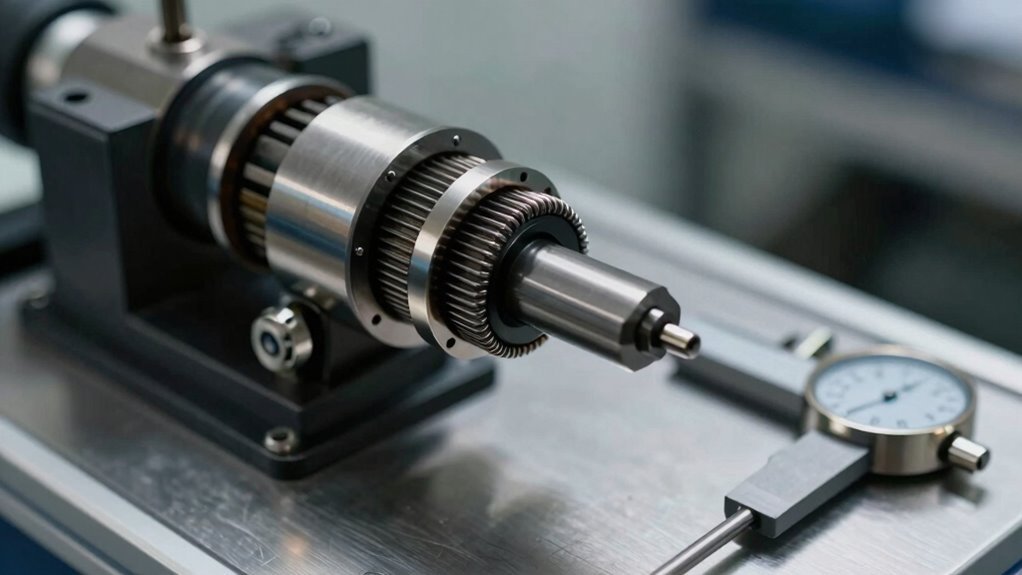
Most technicians miss critical factors that cause speed sensor failures. Learn what separates reliable diagnostics from cascading system problems.
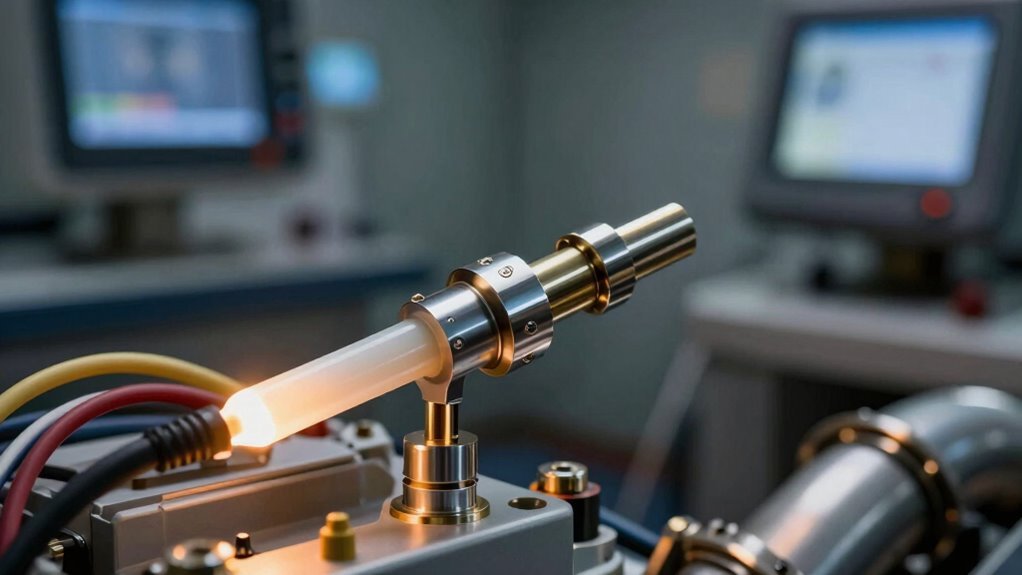
Narrowband sensors are costing you power. Learn why wideband O2 technology separates real tuning from guesswork—and how to implement it correctly.
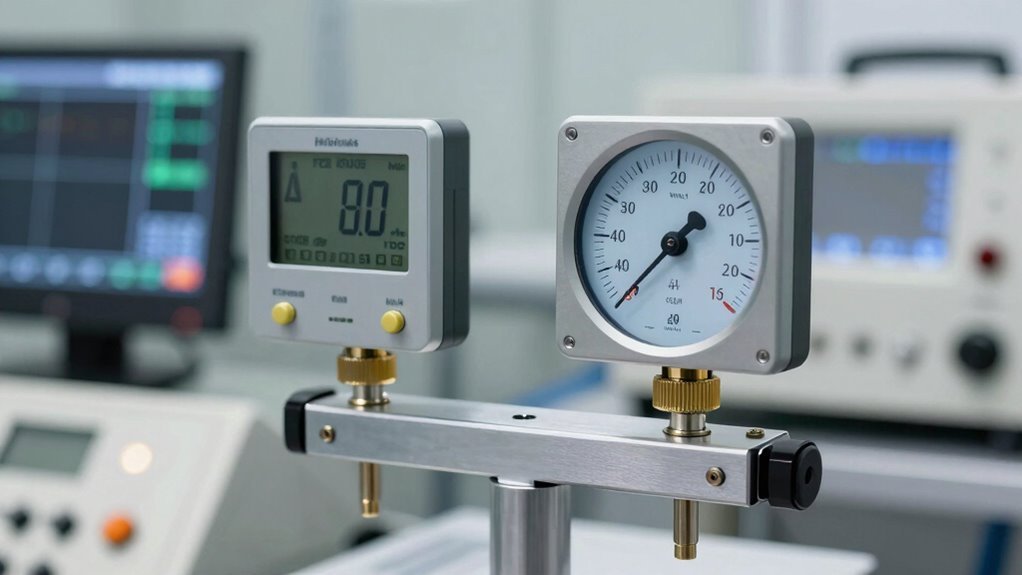
Your dyno numbers are incorrect. Temperature, humidity, and pressure quietly distort every measurement—correction factors reveal what your engine actually produces.

Heavy-duty fleets waste thousands on brake wear. One controller feature changes everything—here’s why most managers miss it.
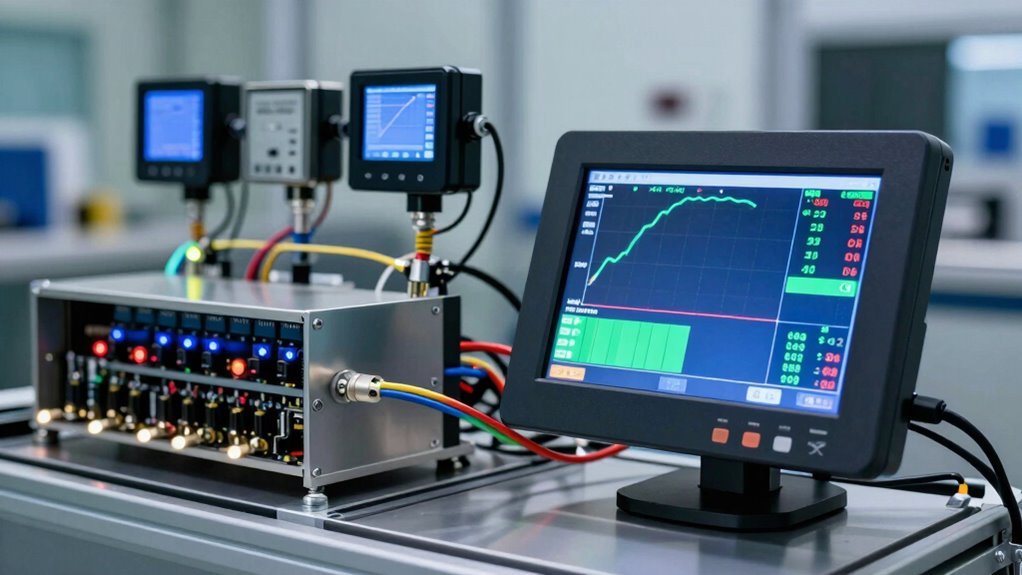
Modern dyno testing exposes a hidden gap between leading DAQ platforms and the rest. What are you missing?

Hyperwin4 rewrites dyno tuning with AI diagnostics and real-time cloud power. But are your devices ready for this shift?