Workshop Funding Done Wrong: Why Your Bank is Costing You Growth
South African workshop owners are stuck in a frustrating paradox—traditional lenders demand mountains of paperwork while your competitors access capital in weeks, not months. Banks built their systems for big corporations, not the agile, resourceful operators who actually drive the automotive industry. Dyno Finance broke this pattern entirely. Before you accept another rejection letter or settle for punishing interest rates, discover why speed and sector-specific expertise matter more than you’ve been told.
Why Workshop Owners Struggle to Access Funding in South Africa
While South Africa’s automotive sector continues to demonstrate resilience and growth potential, workshop owners face formidable challenges when attempting to secure the capital necessary for equipment investment and business expansion.
The funding obstacles stem from multiple economic barriers that persistently limit access to business financing. South Africa’s slow-growing economy and stagnation create significant challenges for workshop operators seeking equipment loans.
The expanded unemployment rate of 42.6% indicates broader economic strain, reducing available capital for business lending. Furthermore, rigid processes from government agencies and stringent funding procedures discourage applications from smaller operations. This economic constraint mirrors the broader challenge facing youth unemployment, which reached 32.9% in Q1 2024, further limiting the pool of potential investors and business partners.
Financial readiness deficiencies compound these economic barriers. Many workshops lack formal financial statements, accounting systems, or payroll infrastructure, making them appear high-risk to traditional lenders.
This gap between business realities and funding requirements leaves workshop owners struggling to bridge their investment needs through conventional channels.
How Dyno Finance Accelerates Your Application
Dyno Finance converts the traditionally slow funding process into an efficient pathway designed specifically for workshop owners who need capital quickly. The platform simplifies application efficiency through three core mechanisms:
- Digital submissions capture essential business details instantly, eliminating extensive paperwork and manual delays.
- Automated pre-approval checks assess credit and cash flow within 24 hours, using AI-driven models to predict funding viability.
- Rapid disbursement releases funds within 48 hours post-approval, addressing urgent workshop needs immediately.
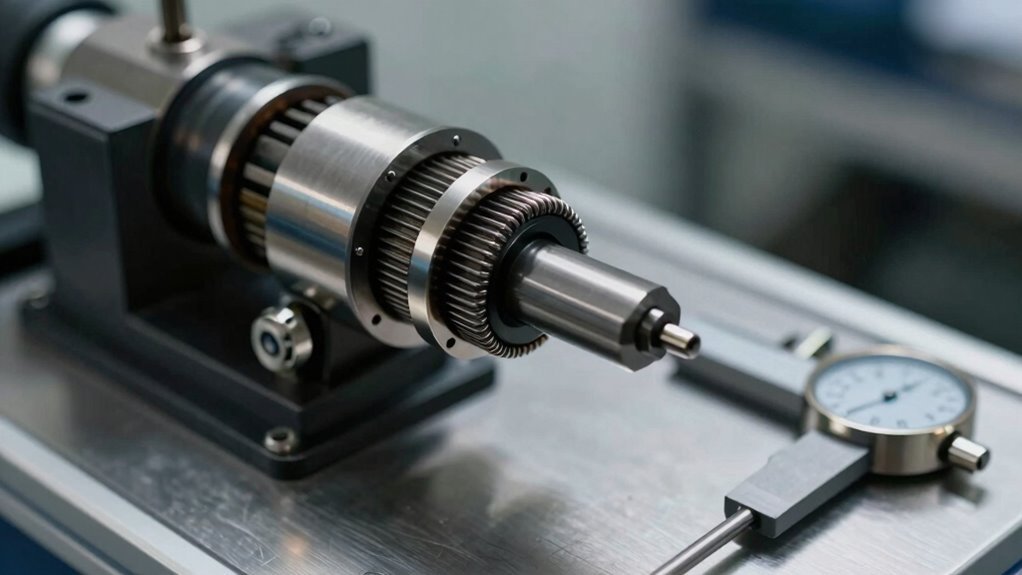
Dedicated relationship managers guide owners through customised funding paths, ensuring individualised support at every stage. Similar to how Sasol’s Supply Chain Management optimises procurement processes for cost-efficiency and maximising return on spend, Dyno Finance tailors financial solutions to enhance workshop operational efficiency. Access to high-performance dynamometer systems through flexible finance terms enables workshops to upgrade testing capabilities without significant upfront investment.
Quick documentation upload processes focus only on workshop-specific assets, reducing verification bottlenecks considerably.
This systematic approach alters funding accessibility from a months-long burden into a simplified experience, enabling workshop owners to secure necessary capital without unnecessary obstacles or delays.
Do You Qualify for Dyno Finance Funding?
Once an application moves through Dyno Finance’s accelerated approval process, the next logical step involves understanding whether a workshop owner meets the platform’s qualification criteria.
Core Eligibility Requirements****
Applicants must be at least 18 years old with valid South African identification and proof of residency. Citizenship or permanent residency status is mandatory for funding options consideration.
Income and Employment Standards
A stable monthly income of R6,000 to R10,000 minimum strengthens the application process. Recent payslips and stamped bank statements demonstrate repayment capacity to lenders. Employment verification is crucial to demonstrate financial stability and consistent income sources.
Financial Assessment
Credit history evaluation determines creditworthiness, while debt-to-income ratios guarantee manageable monthly payments. Existing debts are factored against disposable income to confirm affordability.
Documentation Essentials
Driver’s licences, proof of income, and residential address verification facilitate processing.
Down payments and extensive insurance coverage typically complete qualification requirements.
What You Can Borrow and When You’ll Pay It Back
Dyno Finance South Africa structures loan amounts between R50,000 and R5,000,000, with individual eligibility determined by invoice values, business turnover, and verified assets.
Repayment terms range from 3 to 36 months, allowing workshops to align monthly instalments with their operational cash flow and seasonal patterns. Workshops undertaking specialised training programmes like the DBSA NPL management course may require flexible financing to cover both equipment investments and participant development costs. Our comprehensive installation and ongoing support ensures that financed dynamometer systems are properly integrated into workshop operations.
Comprehending these borrowing limits and payment schedules helps automotive businesses select funding that matches their specific equipment needs and financial capacity.
Loan Amount Eligibility Criteria
Comprehending what you can borrow and the repayment timeline requires meeting several fundamental eligibility criteria that lenders evaluate carefully. Your loan amount depends directly on your financial profile, income stability, and creditworthiness.
Lenders assess your eligibility requirements through multiple factors:
- Income verification, where stable monthly deposits of £2,000 to £3,000 establish baseline qualification, with a minimum of £7,500 for larger equipment financing
- Credit assessment, evaluating scores above 580 and debt-to-income ratios to determine maximum borrowing capacity
- Down payment contribution, which influences loan size and demonstrates financial commitment to the purchase
Understanding these eligibility requirements helps workshop owners align their financing expectations with realistic borrowing amounts. When investing in dynamometer equipment, proactive system monitoring and long-term maintenance plans should factor into your total cost of ownership calculations.
Your employment documentation and bank statements directly impact the loan amount offered, determining how much capital you can access for dynamometer equipment investments. Asset-based loans from providers like Lamna offer an alternative pathway, as they require an asset of value as collateral rather than relying solely on employment verification and credit scores.
Repayment Timeline and Schedules
After establishing eligibility and determining borrowing capacity, workshop owners must comprehend how repayment structures work in practice.
Repayment flexibility remains central to Hyper Power’s financing philosophy, allowing clients to customise loan terms through adjustable sliders that modify deposit amounts, interest rates, and loan duration.
Monthly repayment figures adjust directly based on selected term lengths, with longer periods reducing monthly obligations while increasing total interest paid.
Deposit size considerably influences calculations, as larger upfront payments reduce the financed principal, lowering ongoing instalments.
South African financing options through partners like WesBank enable workshops to align repayment schedules with cash flow patterns.
While calculators provide indicative estimates subject to change before final agreement, they serve as essential planning tools for equipment investments, helping owners forecast obligations accurately.
Obtaining dynamometer certification demonstrates financial credibility to lenders and can improve financing terms for workshop owners investing in performance testing equipment.
Workshop-Specific Borrowing Limits
Because workshop financing success depends on comprehending what borrowing capacity is available, prospective applicants must recognise that maximum loan amounts are determined by specific business metrics rather than a one-size-fits-all approach.
Hyper Power’s borrowing strategies accommodate diverse workshop sizes through tiered funding solutions:
- Small workshops (1-5 bays) qualify for up to R500,000
- Medium workshops (6-15 bays) access R500,001 to R2 million
- Large workshops (16+ bays) obtain R2 million to R5 million
Equipment-specific loans cap at 80% of asset value, while working capital limits reach 3 months operating expenses.
Established workshops operating 2+ years release higher borrowing thresholds automatically.
Our dynamometer systems enable workshops to maximise equipment investment value, ensuring financed assets deliver measurable performance testing returns.
This structure guarantees applicants receive appropriate funding aligned with operational capacity, facilitating strategic equipment investments without overextending financial obligations.
How to Apply for Dyno Finance Workshop Funding in 5 Steps
Several South African workshop operators have found that accessing dynamometer technology no longer requires substantial upfront capital investment.
Unfortunately, specific details regarding Dyno Finance’s application process remain unavailable through current sources.
However, workshop sustainability increasingly depends on investigating funding alternatives beyond traditional bank loans. Industry partners like Hyper Power recognise this challenge, offering flexible financial structures including rent-to-own models specifically designed for smaller workshops.
To pursue dynamometer financing, workshop operators should contact equipment manufacturers directly, inquire about available payment plans, and review eligibility requirements for specialised workshop funding programmes. Exploring customisable accessories can also help operators optimise their dynamometer investment by tailoring solutions to their specific testing needs and environments.
Gathering financial documentation and comprehending borrowing limits beforehand strengthens any funding application. Professional consultation guarantees operators select solutions aligned with their operational needs and growth path.
How Workshop Owners Scaled Operations With Dyno Finance
Workshop owners who accessed Dyno Finance capital strategically utilised funds across three critical operational areas: rapid equipment acquisition, workforce expansion, and optimised deployment processes.
By securing flexible financing with accelerated approval timelines, these businesses converted modest operations into scaled enterprises capable of handling considerably larger client volumes and service products.
The combination of quick capital access and strategic reinvestment enabled workshops to increase daily capacity, retain permanent jobs, and capture new market segments within their first operational year.
These improvements were further amplified through access to advanced dynamometer technology, which provided detailed performance insights that enhanced service quality and competitive positioning.
Rapid Capital Deployment Strategies
The financing environment for South African automotive workshops changed considerably when accelerated capital access became available through specialised funding mechanisms, allowing owners to acquire state-of-the-art dynamometer systems without the traditional delays that once constrained expansion.
Workshop owners now utilise rapid implementation strategies to address funding challenges and guarantee long-term workshop sustainability:
- Quick approval processes deliver capital within 48 hours for eligible applicants, eliminating extended waiting periods that previously hindered growth plans.
- Customised financing products accommodate diverse operational needs, from equipment purchases to facility upgrades across Pretoria and Johannesburg sites.
- Rent-to-own models enable smaller operations to access industrial-grade technology without substantial upfront investment.
This accelerated access alters how workshops scale operations. Rather than postponing equipment acquisition due to capital constraints, owners allocate funds strategically, strengthen their competitive position, and build sustainable business models aligned with market demands. Tailored dynamometer systems with advanced integration capabilities ensure that financed equipment delivers precision testing and seamless operational performance from day one.
Equipment Acquisition And Upgrades
Once capital access became available through accelerated financing mechanisms, workshop owners shifted their focus from securing funding to strategically utilising it, altering how they acquired and upgraded dynamometer systems.
Equipment leasing and purchase options enabled workshops to match their cash flow with acquisition timing. Rather than depleting reserves for upfront costs, owners allocated capital strategically across multiple workshop upgrades, expanding capacity without operational strain. Regular software updates ensure that newly acquired dynamometer systems maintain peak performance and access cutting-edge features throughout their operational lifecycle.
| Acquisition Strategy |
Primary Benefit |
Ideal For |
| Equipment Leasing |
Preserve working capital, flexible upgrades |
Growing workshops |
| Rent-to-Own Models |
Shift to ownership gradually |
Budget-conscious operations |
| Asset-Based Finance |
Lower monthly payments, tax deductions |
Established facilities |
Workshop owners accessed new Hyper Power dynamometer systems and complementary diagnostic tools, scaling operations methodically. This approach enabled simultaneous equipment acquisition and service expansion, strengthening competitive positioning within the automotive diagnostics sector.
Workforce Expansion And Training
As workshop owners acquired advanced dynamometer systems through Dyno Finance’s flexible financing options, they simultaneously recognised a critical operational necessity: their existing teams required specialised training to operate and maintain this sophisticated equipment.
Hyper Power’s extensive training programmes addressed this challenge directly. The company’s certification curriculum guaranteed operators could safely extract maximum value from their investment while maintaining equipment reliability.
Workshop owners benefited from structured development across three critical areas:
- Operator certification in Hyperwin4 software and data acquisition protocols
- Technical maintenance training for mechanical and electronic system troubleshooting
- Safety protocols aligned with industry standards and equipment specifications
Training effectiveness translated into operational efficiency, enabling workshops to maximise throughput and accuracy.
Workforce diversity expanded as team members gained credentials, opening advancement pathways within growing operations. Remote diagnostics and ongoing technical support complemented initial training, guaranteeing sustained performance and competitive advantage.
When Dyno Finance Isn’t the Right Fit
What separates a successful financing application from a rejected one often comes down to financial fundamentals that lenders evaluate with clinical precision. Dyno finance limitations become apparent when applicants fail to meet core eligibility criteria, making alternative funding pathways necessary.
| Rejection Factor |
Impact |
Severity |
| Credit score below threshold |
Automatic disqualification |
Critical |
| Revenue under R500,000 annually |
Insufficient business viability |
High |
| Collateral coverage under 120% |
Inadequate security position |
High |
| Cash flow under R50,000 monthly |
Debt service concerns |
Critical |
Workshops operating for less than 12 months, carrying high debt ratios exceeding 50%, or lacking audited financials face substantial barriers. Those with regulatory non-compliance issues, including missing tax clearance certificates or CIPC registration problems, find doors closed entirely.
Funding alternatives include equipment leasing, strategic partnerships with manufacturers, or phased equipment acquisition through smaller vendors. Comprehending personal limitations strengthens long-term business strategy.